Welcome to NaturaNook
Your Guide to a Balanced Lifestyle
NaturaNook is an educational resource dedicated to explaining the principles of natural wellness, nutrition, and lifestyle strategies. Here, you'll discover comprehensive information about achieving balance through understanding the fundamentals of healthy living.

Educational Content Only. This website provides general information for educational purposes. No promises of outcomes. All content is informational and should not be used as a substitute for professional medical advice.
Understanding Balanced Nutrition
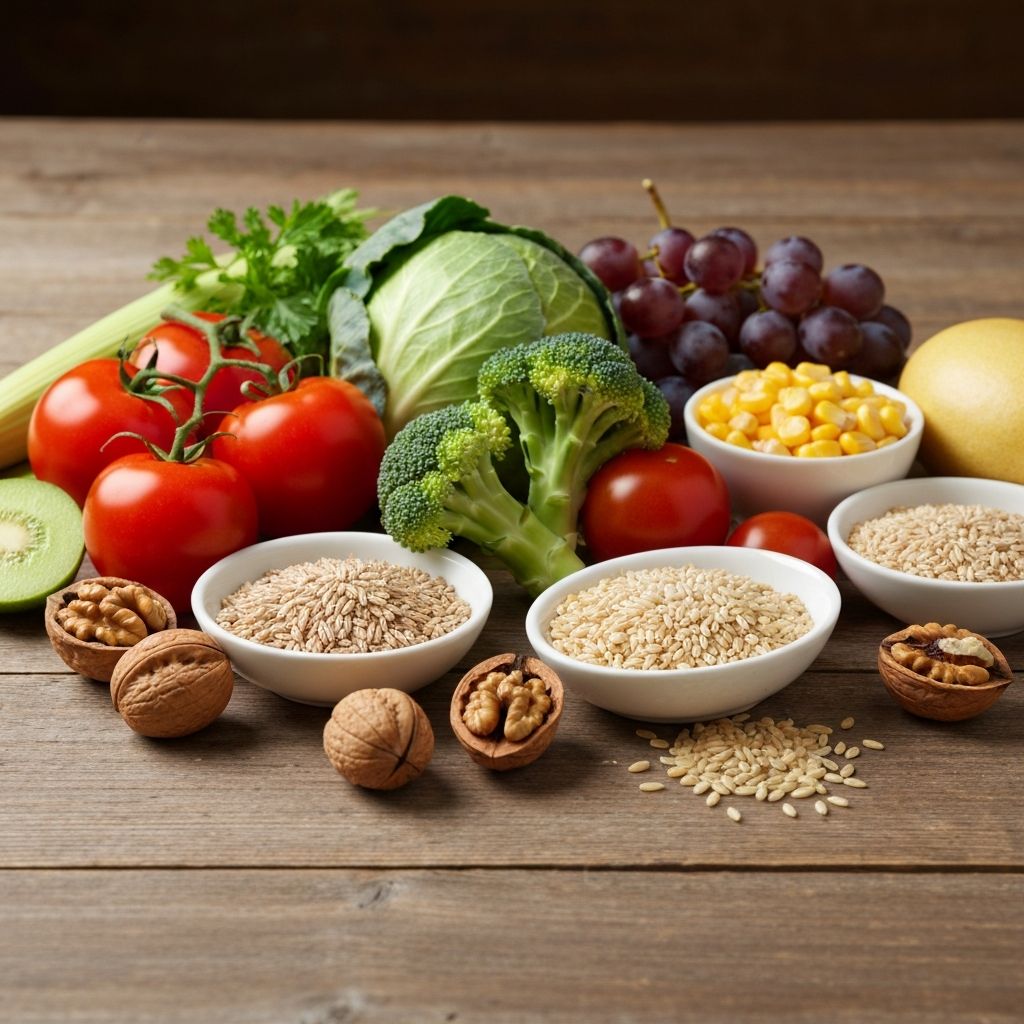
Balanced nutrition forms the foundation of overall wellness. It involves consuming a variety of foods that provide the necessary macronutrients—carbohydrates, proteins, and fats—along with essential micronutrients such as vitamins and minerals.
Key Nutritional Components
- Macronutrients: Carbohydrates provide energy, proteins support muscle and tissue repair, and fats are essential for hormone production and nutrient absorption.
- Micronutrients: Vitamins and minerals regulate metabolic processes and support immune function.
- Fiber: Supports digestive health and helps maintain stable energy levels.
- Hydration: Water is vital for all bodily functions and cellular processes.
Understanding these components helps in making informed dietary choices that support overall wellness.
Physical Activity and Its Impact
Physical activity contributes significantly to overall well-being. Regular movement supports cardiovascular health, muscle strength, mental clarity, and emotional balance. The key is finding activities that feel natural and sustainable for your lifestyle.
| Activity Type | Frequency | Potential Benefits |
|---|---|---|
| Walking | Daily or most days | Supports cardiovascular health, mental clarity, and stress relief |
| Gentle Stretching | Daily | Enhances flexibility, reduces tension, improves circulation |
| Yoga | 3-4 times per week | Builds strength, enhances balance, promotes relaxation |
| Gardening | As desired | Combines physical activity with connection to nature |
| Swimming | 2-3 times per week | Low-impact exercise supporting overall fitness |
Natural Components and Their Traditional Use
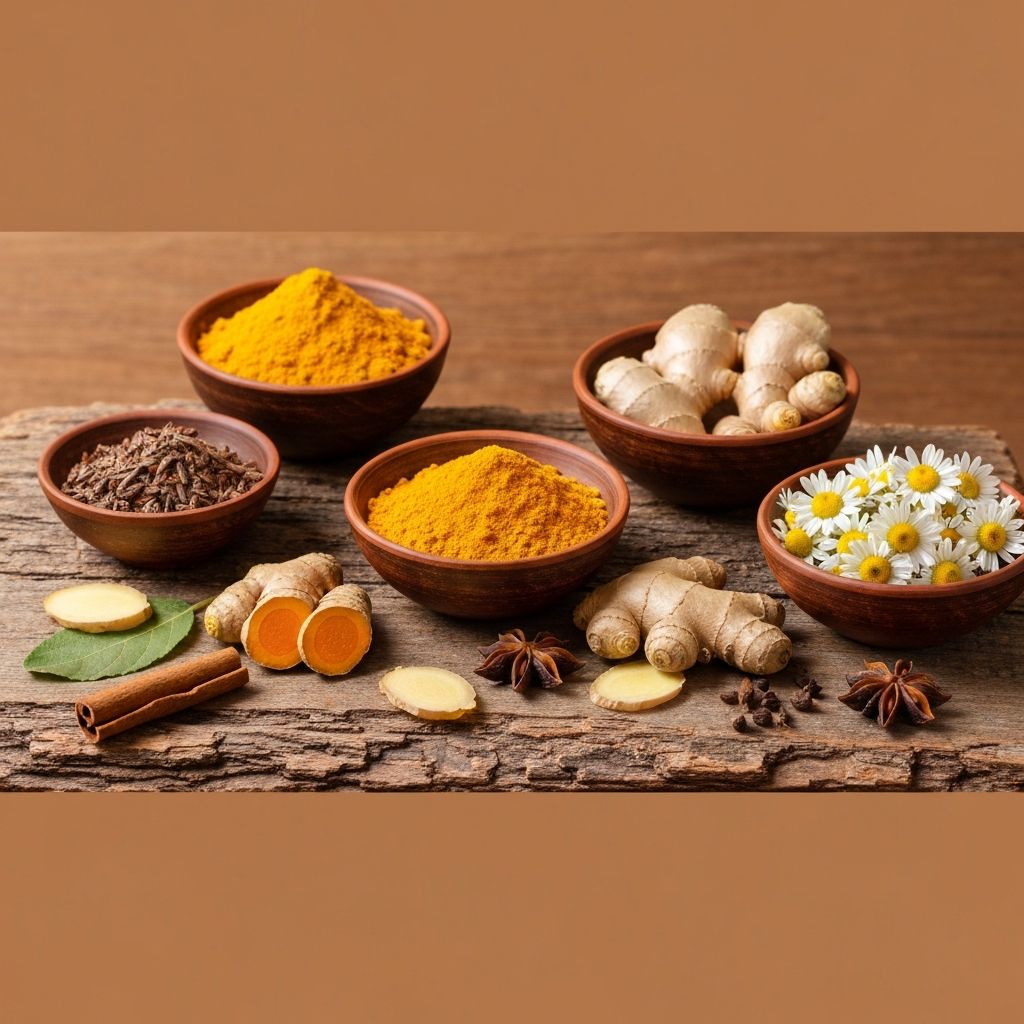
Throughout history, various botanical ingredients have been valued for their properties and traditional uses in supporting wellness. These natural components have been documented across different cultures and historical periods.
Turmeric
Turmeric, derived from the curcuma longa plant, has been used in traditional systems of medicine for centuries. It contains curcumin, a compound studied for various potential properties. Traditional use includes supporting joint comfort and digestive wellness.
Ginger
Ginger root has a long history of use in various cultures. It has been traditionally used to support digestive comfort and general wellness. Modern research continues to explore its various potential applications.
Chamomile
Chamomile flowers have been traditionally brewed as tea for relaxation purposes. Historically valued for its gentle properties, chamomile continues to be appreciated as part of wellness routines focused on calm and rest.
Peppermint
Peppermint has been used traditionally to support digestive comfort and mental clarity. Its refreshing properties have made it a popular choice in various wellness practices across cultures.
Green Tea
Green tea has been valued in Asian cultures for centuries. Rich in antioxidant compounds, it has traditionally been used as part of daily wellness routines and continues to be studied for its potential benefits.
Licorice Root
Licorice root has been used in traditional medicine systems for supporting wellness. Its traditional uses span multiple cultures and historical periods, with ongoing interest in understanding its properties.
The Role of Water and Hydration
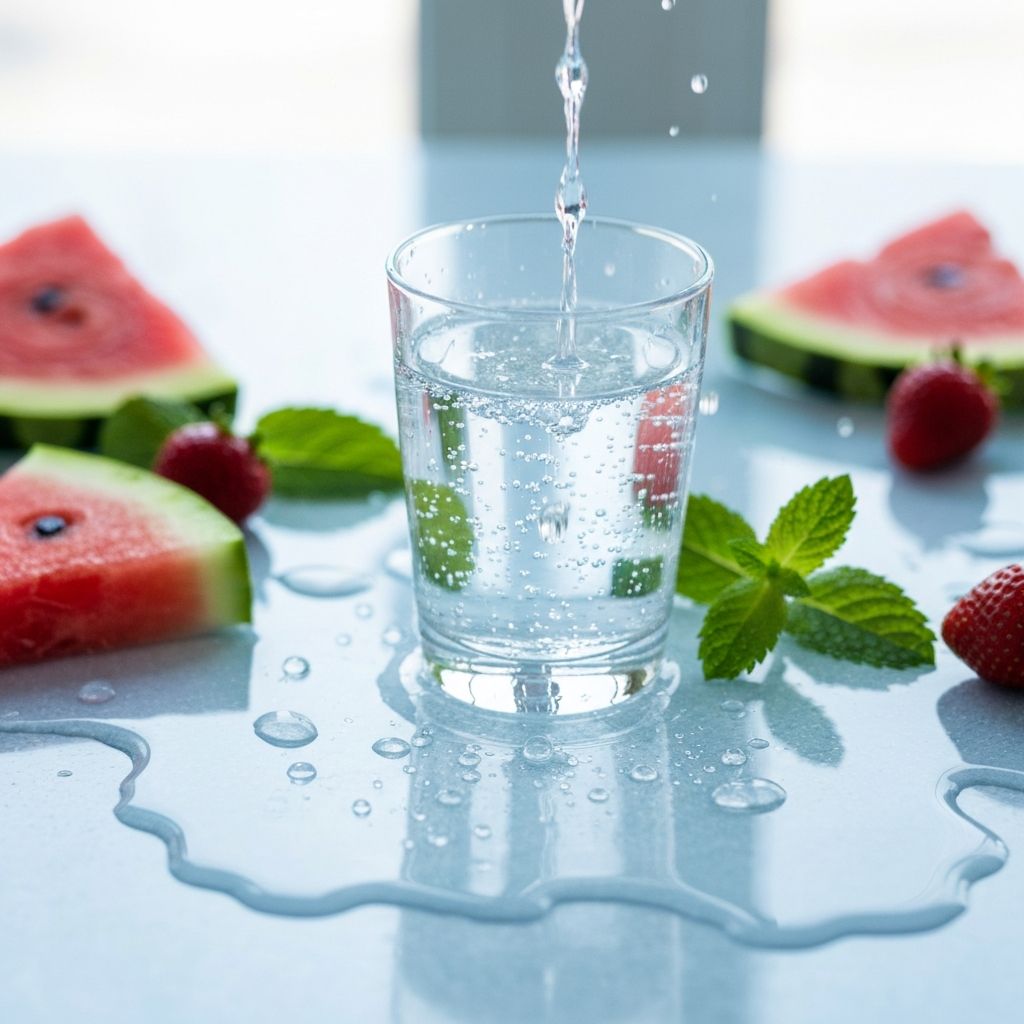
Water is fundamental to all life processes. It participates in nutrient transport, temperature regulation, waste elimination, and numerous metabolic functions. Understanding proper hydration is essential for maintaining overall wellness.
Hydration Guidelines
While individual hydration needs vary based on activity level, climate, and personal factors, a common recommendation is to drink adequate water throughout the day. Signs of proper hydration include clear or pale urine and consistent energy levels.
- Drink water upon waking
- Consume water with meals
- Drink before, during, and after physical activity
- Listen to your body's signals
- Include water-rich foods (fruits, vegetables)
Mental Well-being and Relaxation
Mental wellness is equally important as physical health. Techniques such as mindfulness, meditation, and relaxation practices support emotional balance and psychological resilience. These practices have been integrated into wellness routines across cultures for centuries.

Relaxation Techniques
- Meditation: Practicing focused attention to cultivate inner calm and clarity.
- Deep Breathing: Intentional breathing patterns that activate the relaxation response.
- Progressive Muscle Relaxation: Systematic tensing and releasing of muscle groups.
- Mindfulness: Present-moment awareness without judgment.
- Nature Time: Spending time outdoors supports mental restoration.
- Creative Activities: Art, music, and writing can facilitate emotional expression.
Sustainability and Ecological Choices
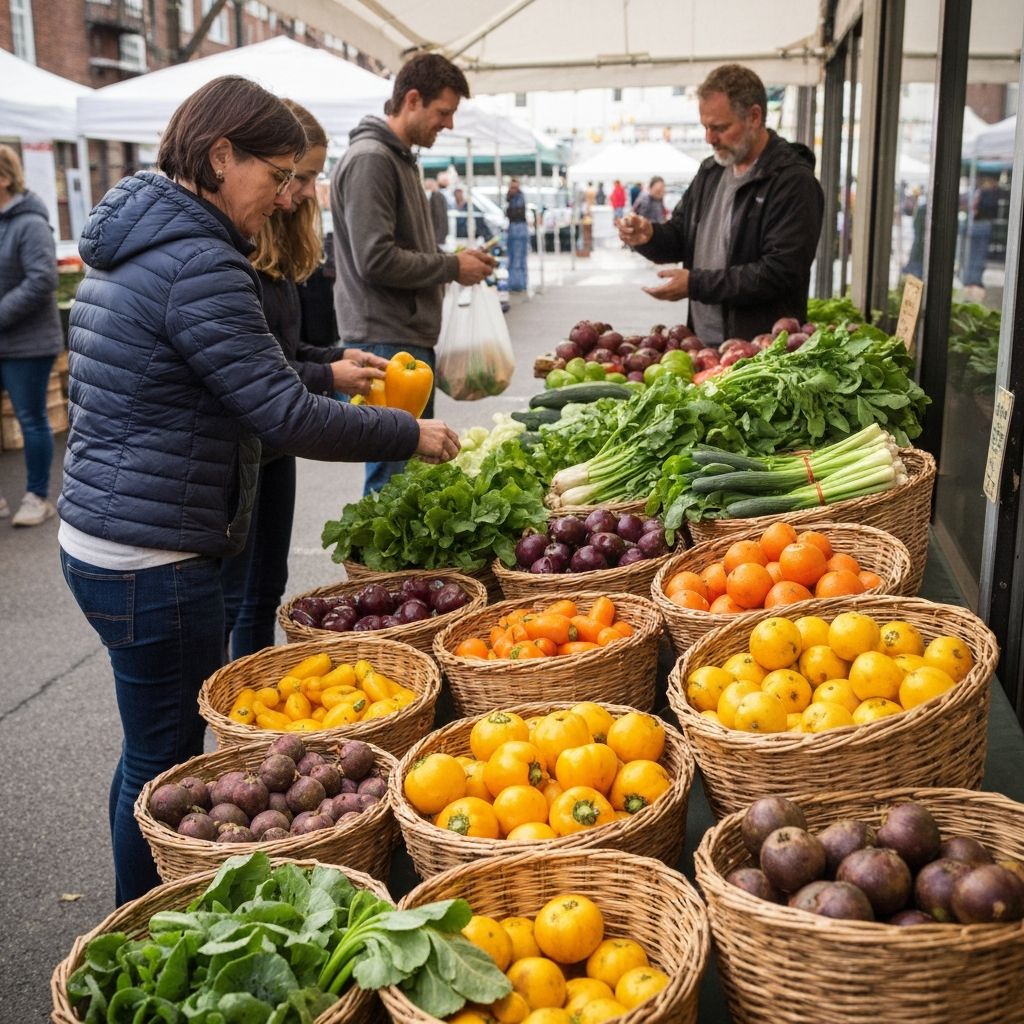
Sustainable living practices align personal wellness with environmental responsibility. Choosing local, seasonal products and minimizing waste creates positive impacts on both personal health and planetary well-being.
Sustainable Practices
- Local Products: Sourcing from local producers supports community and reduces transportation impact.
- Seasonal Eating: Consuming foods in season promotes freshness and reduces environmental burden.
- Minimal Packaging: Choosing products with minimal or recyclable packaging reduces waste.
- Organic Choices: Supporting organic agriculture contributes to soil health and ecosystem balance.
- Plant-Forward Diet: Increasing plant-based foods in diet supports both personal and environmental wellness.
Myths and Facts About Healthy Living
Navigating health information can be challenging. Understanding the difference between myths and evidence-based information helps in making informed choices about personal wellness.
No. Fats are essential nutrients. Certain fats, such as those found in nuts, seeds, and olive oil, support cognitive function and cardiovascular health. The key is consuming fats in appropriate amounts from quality sources.
No. Carbohydrates are an important energy source. Complex carbohydrates found in whole grains, vegetables, and legumes provide sustained energy and important nutrients. Balance and variety are key.
Not necessarily. While some people prefer organic for environmental reasons, both organic and conventionally grown produce can provide important nutrients. The most important factor is consuming adequate amounts of fruits and vegetables.
No. Whole foods contain complex combinations of nutrients, fiber, and compounds that work together. While supplements may be useful in specific situations, they cannot replicate the nutritional complexity of whole foods.
No. True wellness involves multiple factors: nutrition, sleep, stress management, social connection, and mental health. Exercise is one important component of a holistic wellness approach.
The Impact of Stress on the Body
Stress affects multiple bodily systems. Understanding stress mechanisms helps in recognizing the importance of stress management strategies for overall wellness. Chronic stress can influence sleep, digestion, immune function, and emotional balance.
Stress Management Strategies
- Physical Activity: Movement helps process stress hormones and builds resilience.
- Social Connection: Meaningful relationships and community support buffer stress effects.
- Adequate Sleep: Quality rest supports nervous system recovery.
- Mindfulness Practices: Meditation and breathing techniques activate calm responses.
- Creative Outlets: Hobbies and creative pursuits provide mental relief.

Seasonal Fruits and Vegetables
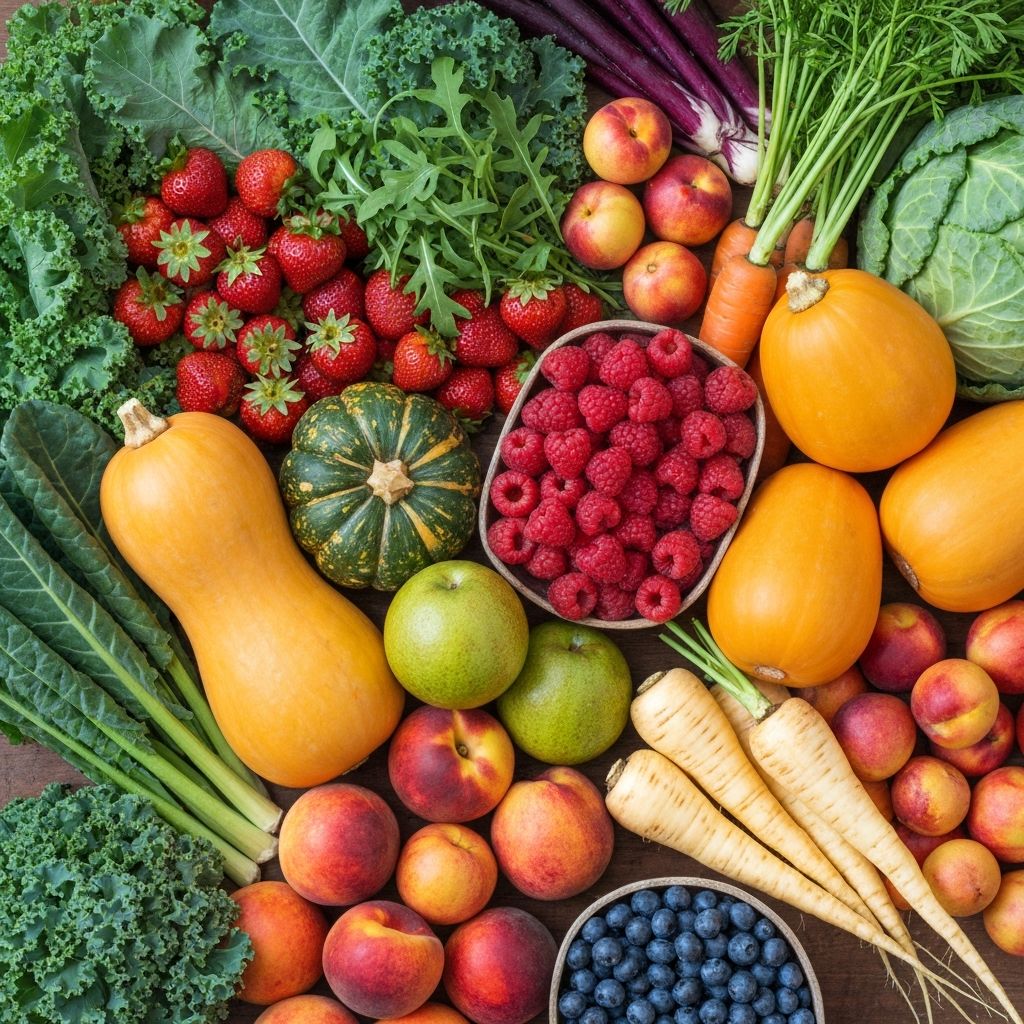
Eating seasonally offers numerous benefits: enhanced flavor, optimal nutritional content, lower environmental impact, and support for local agriculture. Understanding what grows when helps in making informed dietary choices.
| Season | Fruits | Vegetables |
|---|---|---|
| Spring | Strawberries, Pineapple, Lemons | Asparagus, Spinach, Peas, Artichokes |
| Summer | Berries, Peaches, Melons, Grapes | Tomatoes, Cucumbers, Zucchini, Bell Peppers |
| Fall | Apples, Pears, Grapes, Figs | Squash, Broccoli, Carrots, Pumpkin |
| Winter | Citrus, Pomegranates, Kiwis | Kale, Brussels Sprouts, Root Vegetables, Cabbage |
The Importance of Dietary Diversity
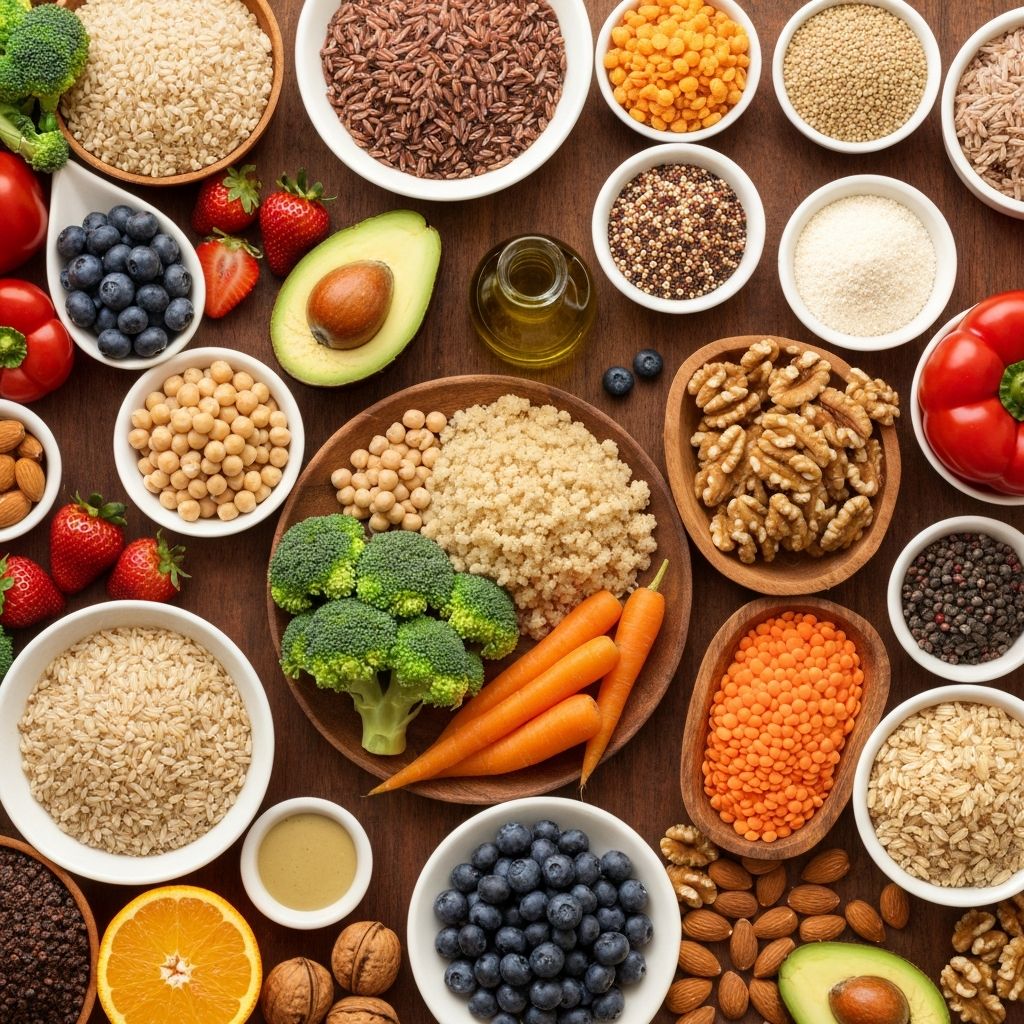
Consuming a wide variety of foods ensures a comprehensive intake of nutrients. Different colored fruits and vegetables contain different phytonutrients and compounds that support various bodily functions.
Color-Based Nutrition Guide
- Red Foods: Contain lycopene and anthocyanins; include tomatoes, berries, and red peppers.
- Orange/Yellow: Rich in beta-carotene; include carrots, sweet potatoes, and squash.
- Green Foods: Contain chlorophyll and lutein; include leafy greens, broccoli, and green vegetables.
- Blue/Purple: High in anthocyanins; include blueberries, blackberries, and purple cabbage.
- White/Brown: Contain allicin and other compounds; include garlic, onions, and mushrooms.
Healthy Cooking Methods
How food is prepared affects its nutritional content and digestibility. Understanding cooking methods helps in preserving nutrients while creating appealing and satisfying meals.
Steaming
Steaming uses gentle heat and moisture, preserving water-soluble vitamins. It's particularly effective for vegetables and delicate proteins.
Boiling
While some nutrients leach into water, boiling can be beneficial for legumes and grains. Retaining cooking water preserves nutrients.
Baking/Roasting
Dry heat cooking can concentrate flavors and preserve nutrients. It's effective for vegetables, grains, and proteins.
Sautéing
Quick cooking over moderate heat preserves nutrients while enhancing flavors, especially when using quality oils.
Raw Preparation
Consuming some foods raw preserves heat-sensitive nutrients and enzymes, while others benefit from light cooking.

Important Notice
Educational Content Only. All materials on NaturaNook are provided for educational and informational purposes only. This website does not provide medical advice, diagnoses, or treatment recommendations. The information presented should not be used as a substitute for professional medical consultation. Individual needs vary widely, and what works for one person may not be appropriate for another.
We encourage you to consult with qualified healthcare professionals before making significant changes to your diet, exercise routine, or wellness practices. NaturaNook is an independent educational resource and does not offer medical services, products for sale, or professional recommendations specific to your individual situation.